

Research News
-
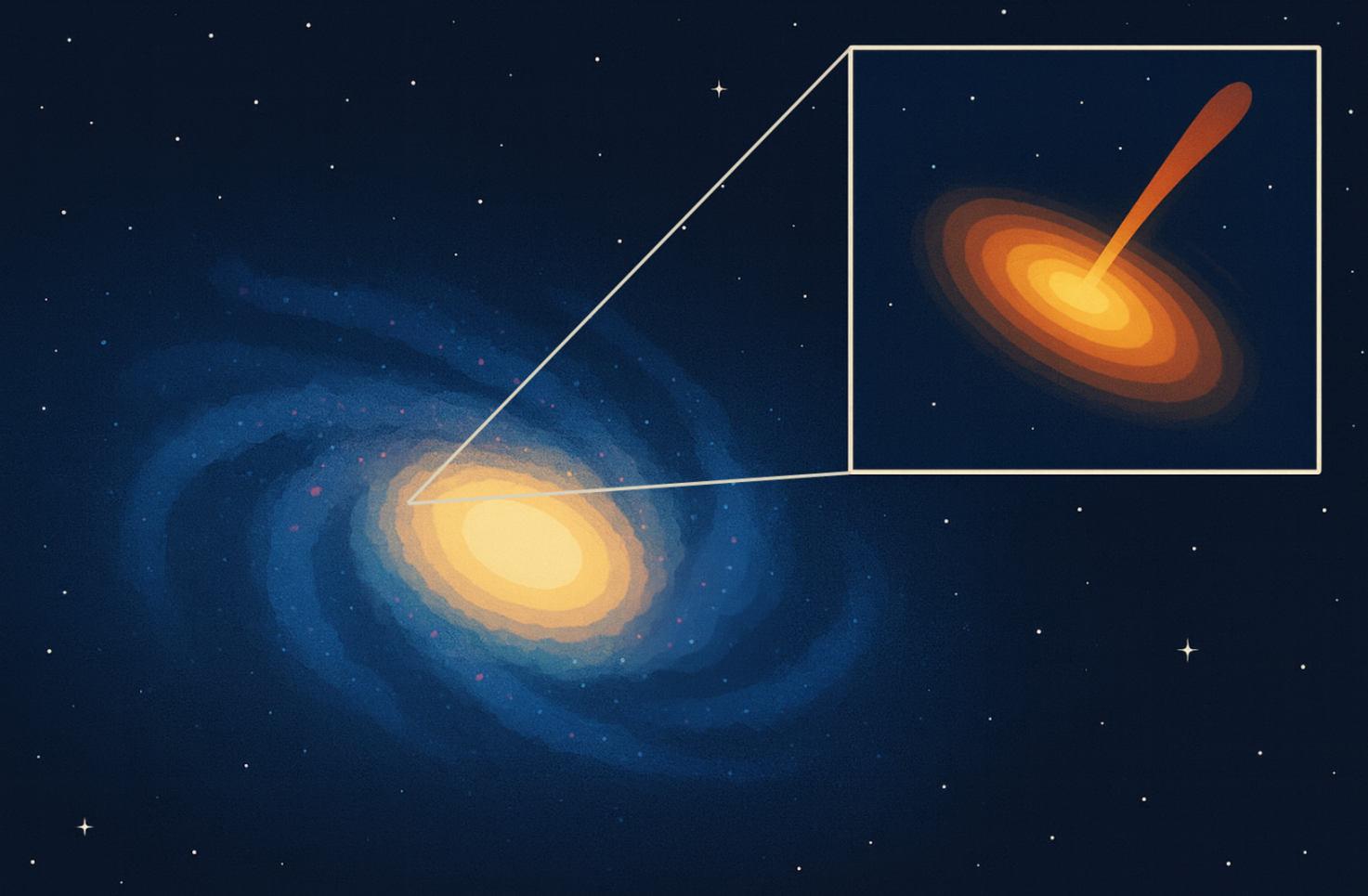 Wandering Black Hole in a Dwarf GalaxyIn our traditional view, black holes are usually thought to “reside” at the centers of galaxies. However, a recent study has discovered a wondering black hole in a dwarf galaxy about 230 million light-years away (redshift z = 0.017). Unlike the norm, this black hole is not located at the galactic center but is offset by nearly one kiloparsec, and it is launching radio jets. This off-nuclear, in-situ accreting black hole with jets—found in a nearby dwarf galaxy—is among the closest and most convincing cases confirmed so far. The discovery strengthens the idea that black hole growth is not limited to galactic centers, offering a new perspective on how supermassive black holes could have grown so rapidly in the early universe.This research was published online in Science Bulletin on September 5, 2025.Sep 06, 2025
-
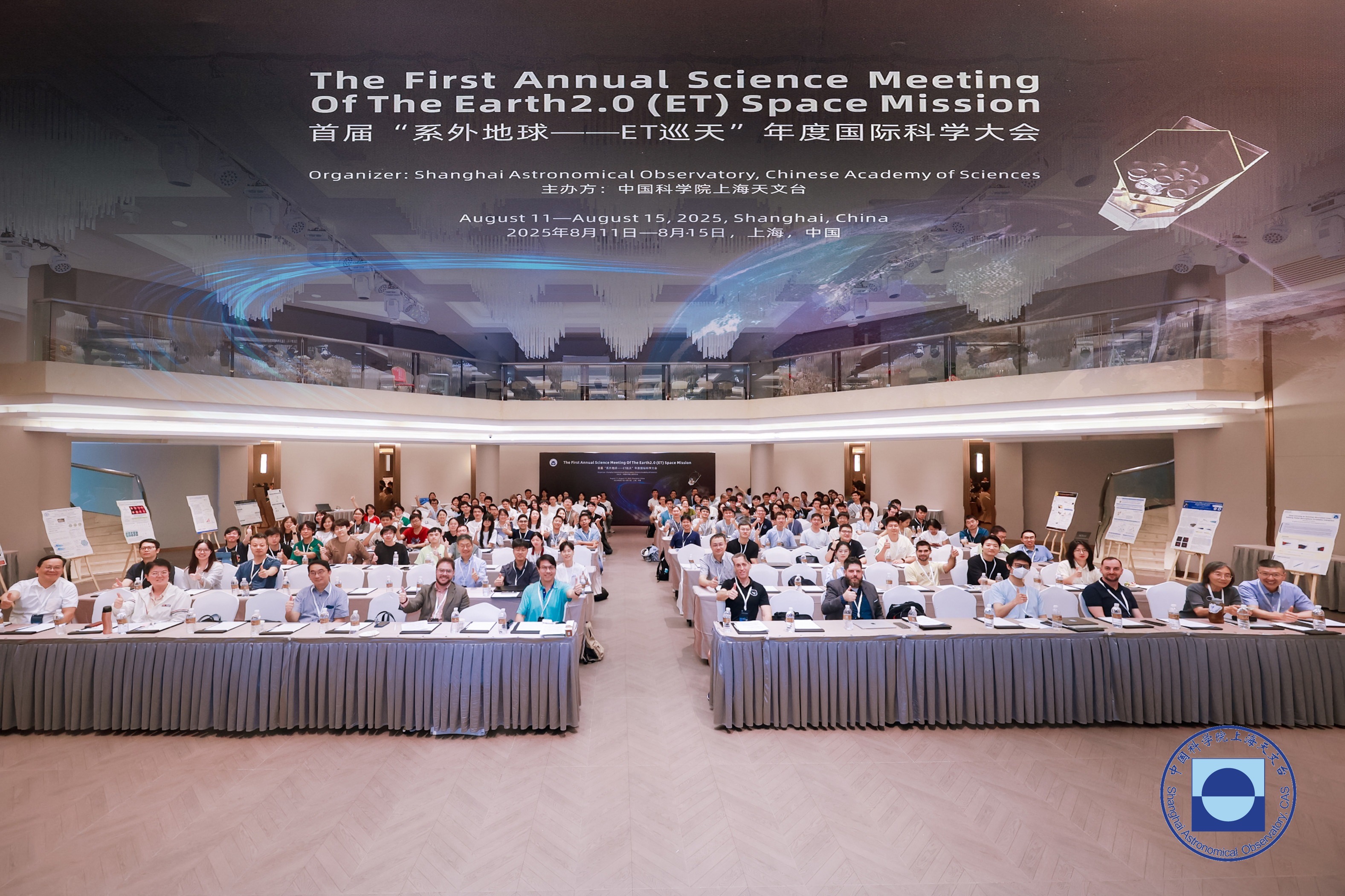 First “Earth 2.0 Space Mission” Annual International Science Meeting Successfully Held in ShanghaiAug 16, 2025
-
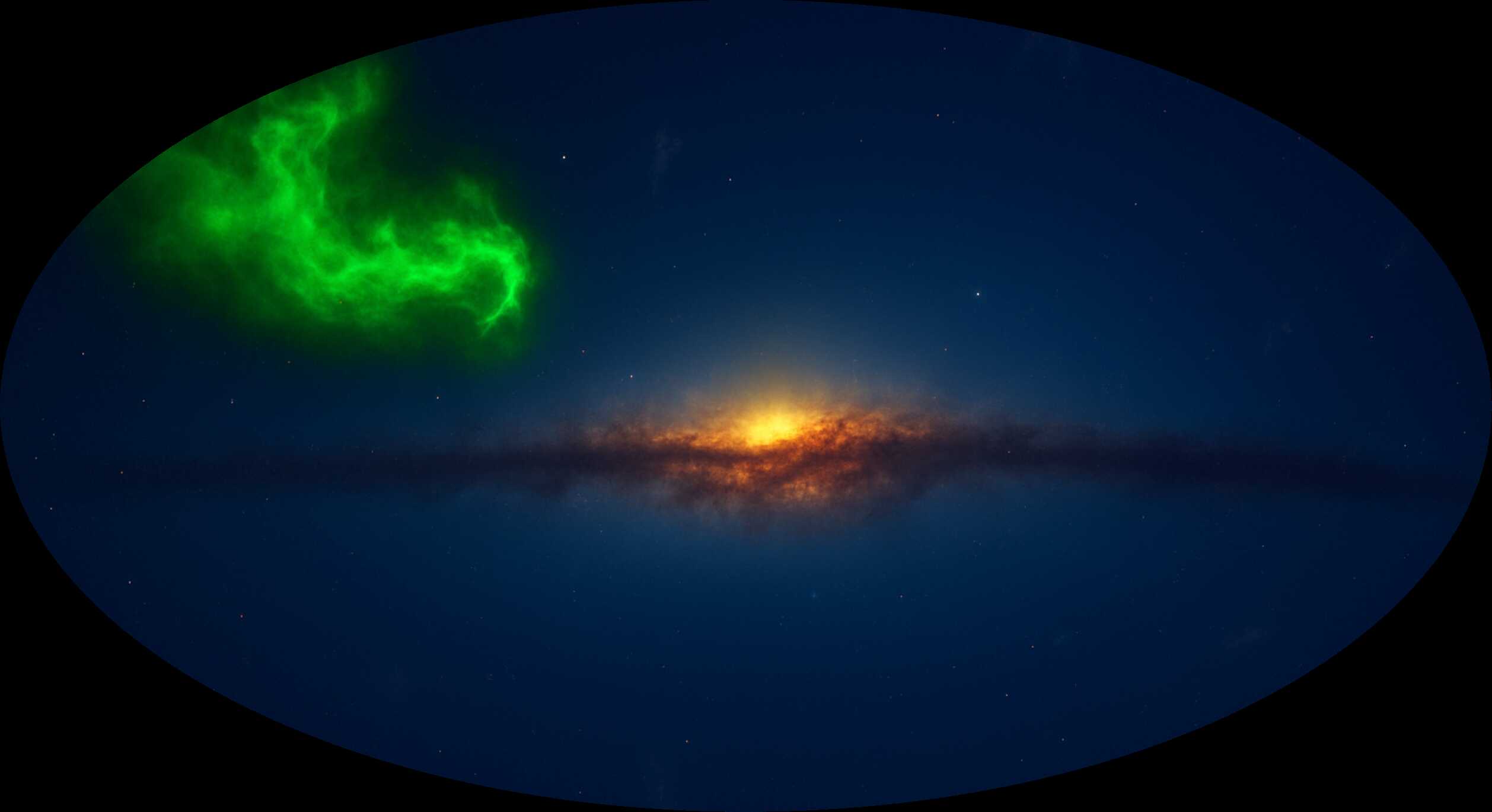 FAST Telescope Unveils Supersonic Filamentary Network in Very-High-Velocity CloudThis discovery provides valuable new insight into how atomic gas behaves and organizes itself in the quieter, outer parts of our galaxy. It also deepens our understanding of how gas might eventually feed into star-forming regions, and what role such distant clouds might play in the broader life cycle of matter in galaxies.Jul 16, 2025
-
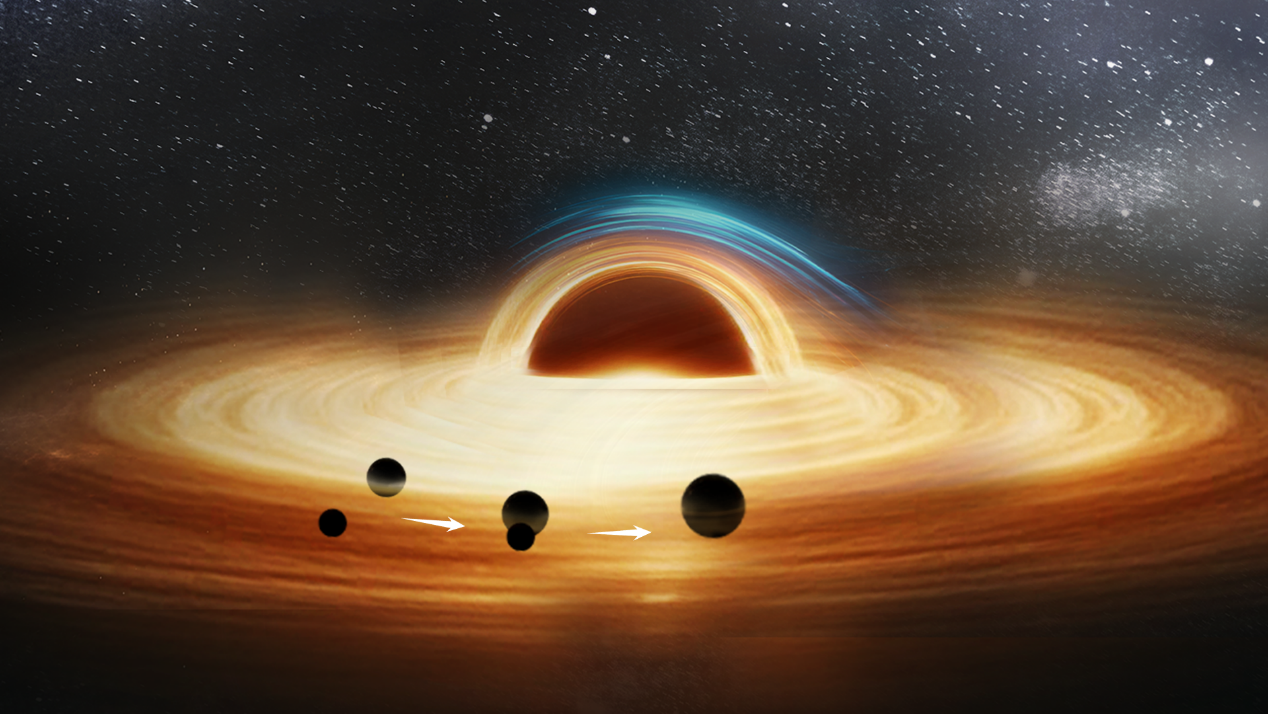 "Mysterious Giant" Behind Binary Black Holes? Shanghai Astronomical Observatory Research Team Discovers First Evidence of a Third Compact Object!The binary black holes in the universe are already astonishing enough, but researchers from the Shanghai Astronomical Observatory of the Chinese Academy of Sciences have made a groundbreaking discovery: these binary black holes may not be "lonely wanderers" after all—there could be an even more mysterious "giant" lurking behind them! Recently, a research team led by Dr. Wen-Biao Han at the Shanghai Astronomical Observatory achieved a major breakthrough in gravitational wave astronomy, uncovering the first evidence that a binary black hole merger event may have occurred near a third compact object. This finding provides new clues to unraveling the mystery of binary black hole formation. The results were published on August 1, 2025, in the international astronomy journal The Astrophysical Journal Letters.Aug 01, 2025
-
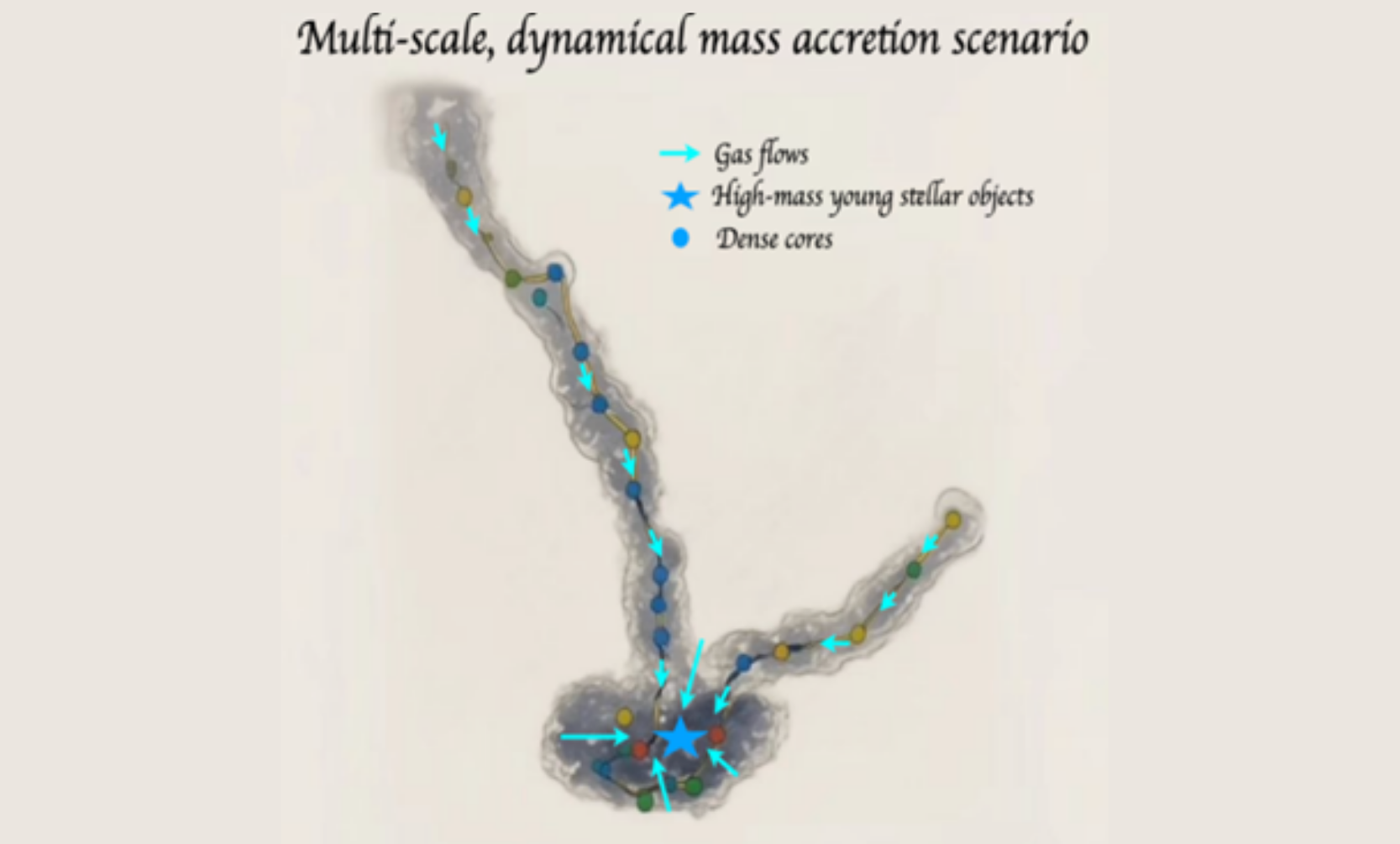 ALMA High-Resolution Observations Reveal New Evidence for Bimodal Fragmentation and Multi-Scale Dynamical Mass Accretion in High-Mass Star FormationRecently, a research team led by scientists from Yunnan University, the Shanghai Astronomical Observatory of the Chinese Academy of Sciences, and the National Astronomical Observatory of Japan, in collaboration with researchers from Japan, Mexico, the United States, Germany, Chile, and Taiwan, China, utilized high-resolution observational data from the Atacama Large Millimeter/submillimeter Array (ALMA) to reveal for the first time the coexistence of dual fragmentation modes and multi-scale dynamic material accretion in a "hub-filament system" (HFS) molecular cloud. This discovery provides groundbreaking evidence for understanding the formation mechanisms of massive stars. The findings were published in the astronomy journal Astronomy & Astrophysics on August 6, 2025.Aug 06, 2025
-
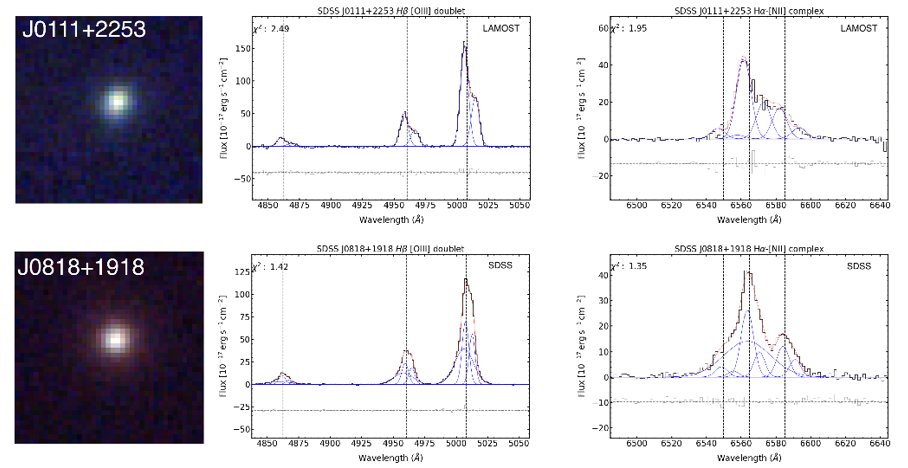 Astronomers Discovered Five Green Pea Galaxies with Double-peaked Emission LinesAstronomers discovered five Green Pea galaxies with double-peaked narrow lines among nearly 1550 Green Pea galaxies. The study suggests that these objects may originate from dual AGN mergers, potentially revealing the co-evolutionary characteristics of a special class of high-mass galaxies and supermassive black holes.Jul 31, 2023
-
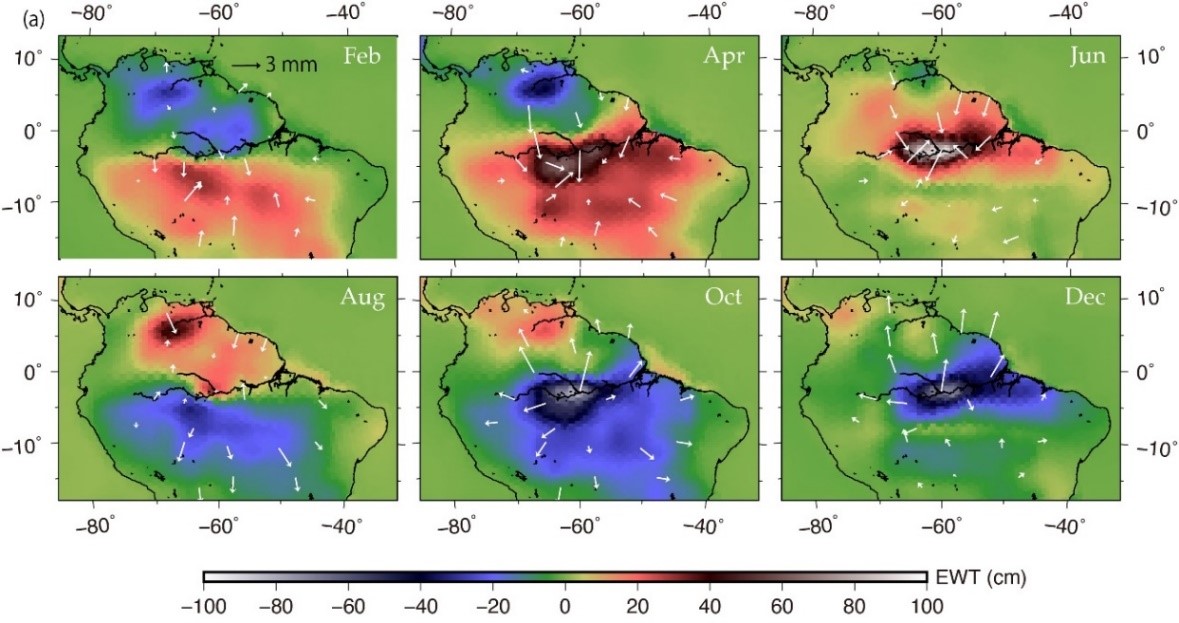 Important progress in the study of surface load seasonal signal from space geodesy at Shanghai Astronomical Observatory, CASRecently, the Group of Satellite Navigation and Remote Sensing, led by Prof. Shuanggen Jin from Shanghai Astronomical Observatory, Chinese Academy of Sciences, investigated seasonal signals by the Earth’s surface loads using space geodetic observations. They studied displacements from Global Navigation Satellite System (GNSS) and time-variable gravity from Gravity Recovery and Climate Experiment (GRACE) to extract signals of surface loads such as terrestrial hydrological loads and snowpacks, and explored their geophysical application. Various results indicated that space geodesy offers an effective method to study surface loads and crustal movements caused by them.Jul 24, 2023
-
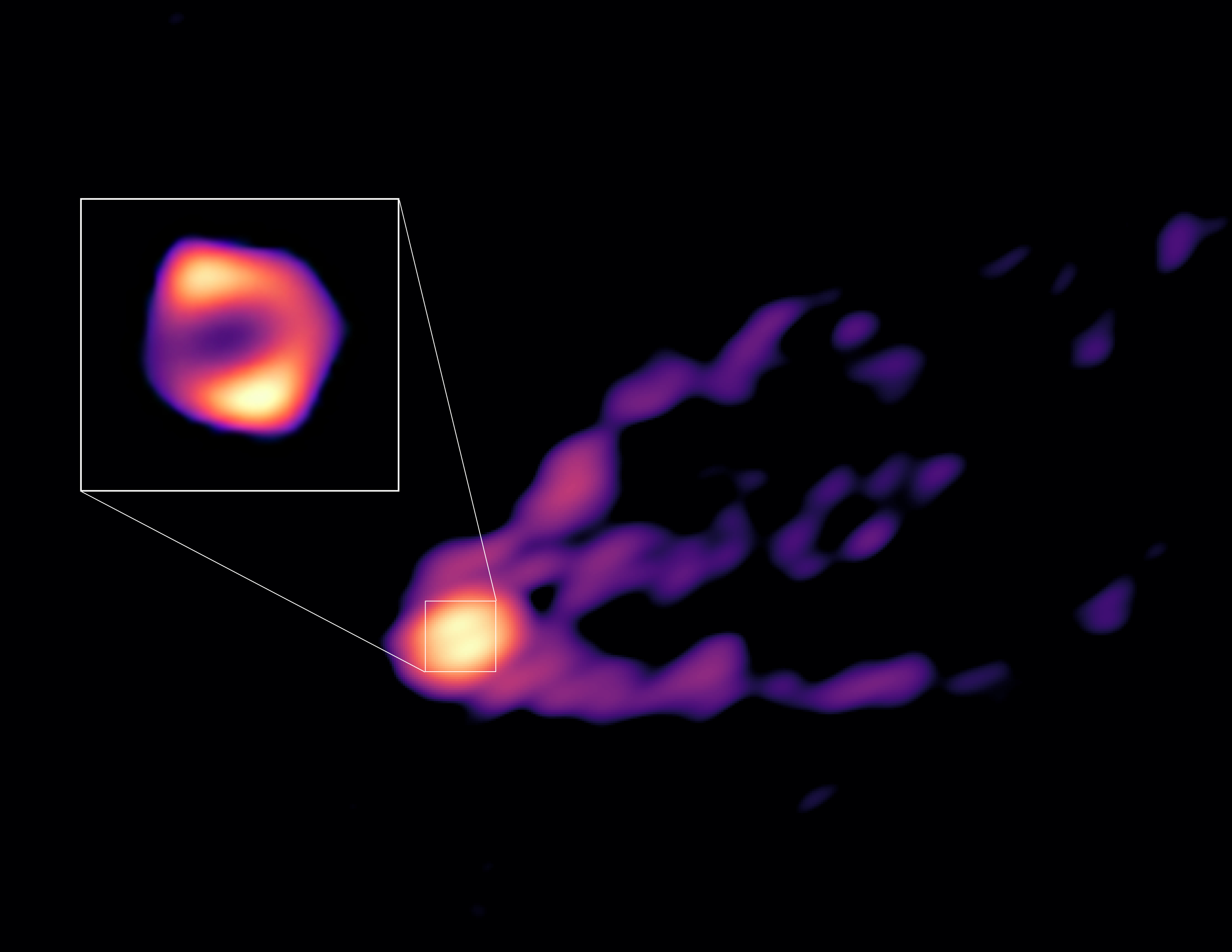 Astronomers image for the first time a black hole expelling a powerful jetAn international team of scientists led by Dr. Ru-Sen Lu from the Shanghai Astronomical Observatory (SHAO) has used new millimetre-wavelength observations to produce an image that shows, for the first time, both the ring-like structure that reveals the matter falling into the central black hole and the powerful relativistic jet in the prominent radio galaxy Messier 87. The image underlines for the first time the connection between the accretion flow near the central supermassive black hole and the origin of the jet. The new observations were obtained with the Global Millimetre VLBI Array (GMVA), complemented by the phased Atacama Large Millimetre/submillimetre Array (ALMA) and the Greenland Telescope (GLT). The addition of these two observatories has greatly enhanced the imaging capabilities of the GMVA. The results are published in the current issue of Nature.Apr 27, 2023
-
 Astronomers detected radio recombination lines of Carbon/Oxygen Ion for the first timeRecently, a research team successfully detected radio recombination lines (RRLs) of ions heavier than helium for the first time using the TianMa 65-m Radio Telescope (TMRT), operated by the Shanghai Astronomical Observatory (SHAO). Those lines were assigned to carbon and/or oxygen ions allowing measurements of elemental abundances with unprecedented accuracy, indicating that ion RRLs could be used to determine elemental abundances in places like the inner parts of the Milky Way, where high extinction makes it hard or impossible to do so with visible emission lines.Mar 02, 2023
-
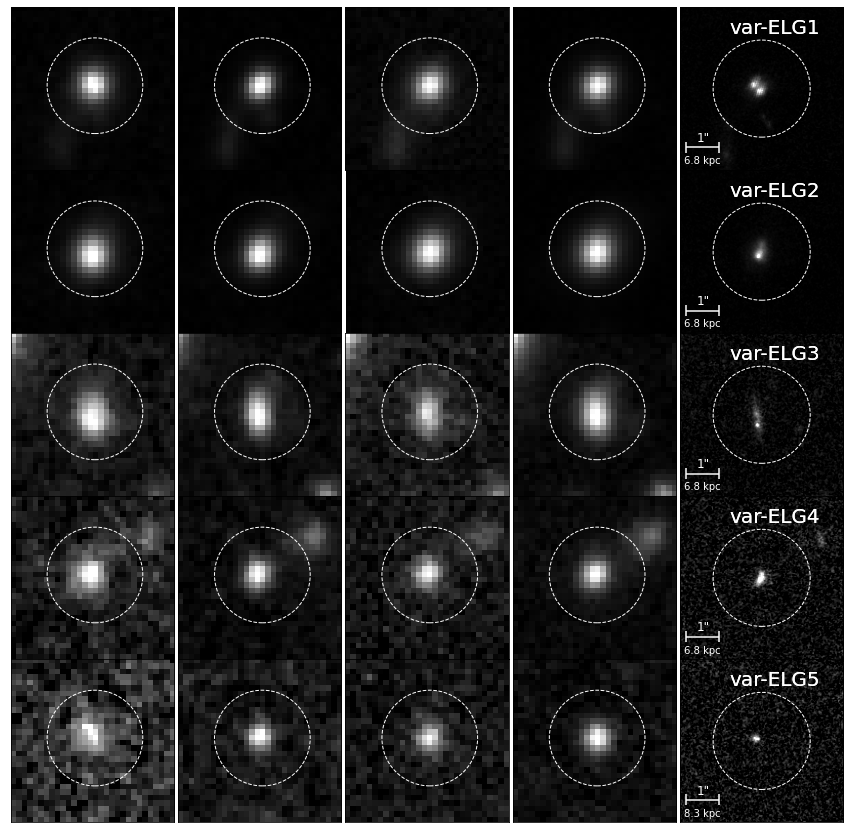 Astronomers probed the origin of optical variability of low-redshift emission-line galaxiesRecently, astronomers from the Shanghai Astronomical Observatory of the Chinese Academy of Sciences used a sample of emission line galaxies in the COSMOS field with two-epoch narrowband imaging separated by 12 years to study their optical variability. Only a small fraction of galaxies was found showing optical variability. Such variability is unlikely to be caused by the activity of the central supermassive black holes, but more likely to be caused by the activity of star formation such as supernova explosion. This work has been published in The Astrophysical Journal on November 17th.Dec 01, 2022


