

Research News
-
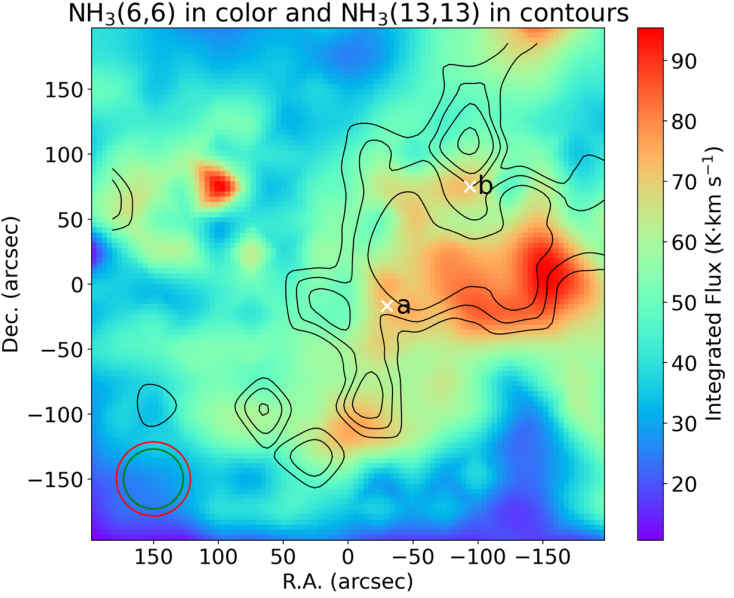 Tianma Telescope Reveals Dominant Heating Mechanism of Molecular Gas in the Galactic CenterRecently, a research team led by the Tianma group, utilizing the Shanghai Tianma 65-meter telescope and Yebes 40-meter telescope, discovered that the turbulence caused by shear-motionof molecular clouds may be the dominant heating mechanism for molecular gas in the Galactic Center. This research was published in the Astrophysical Journal in January 14, 2026, providing new observational and theoretical evidence for studying energy transfer mechanisms in the extreme environments of galactic centers.Jan 15, 2026
-
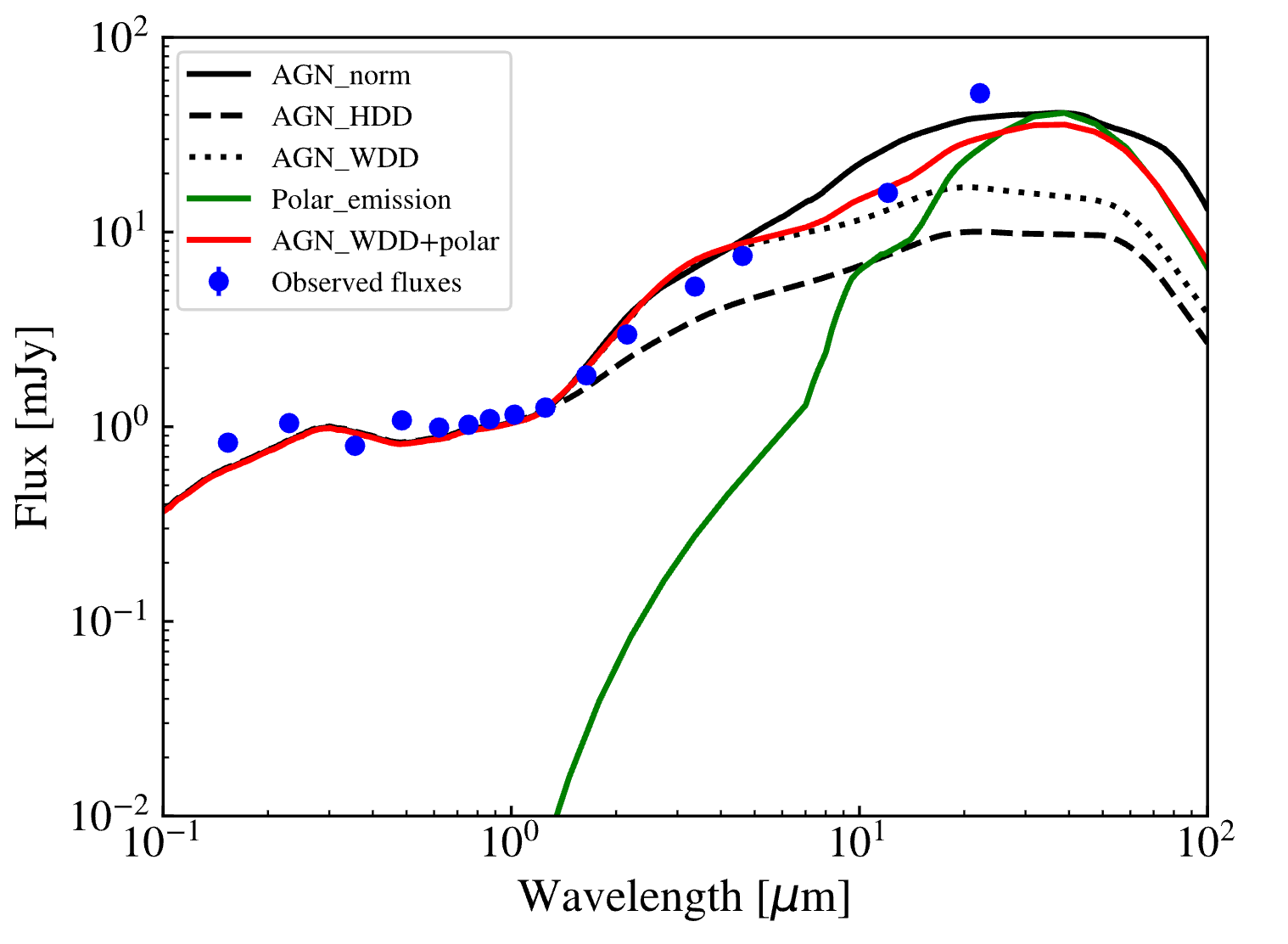 Researchers from Shanghai Astronomical Observatory Make Significant Progress in Multiband Variability Analysis of QuasarsRecently, a research team led by Professor Zhen-Ya Zheng from the Early Universe and High-Redshift Galaxy Group at the Shanghai Astronomical Observatory (SHAO) of the Chinese Academy of Sciences (CAS), in collaboration with researchers from the University of Science and Technology of China, Sun Yat-sen University, and the Yunnan Astronomical Observatory of CAS, has achieved significant progress in the variability study of Quasars. From the million quasars catalog released by Professor Xuebing Wu's team at Peking University[1], the research team conducted multiband "tracking" observations of four quasars exhibiting high variability in the near-infrared (Ks-band) as detected by the VVV/VVVX time-domain survey of the Visible and Infrared Survey Telescope for Astronomy (VISTA). They successfully obtained the variability information of these quasars from optical to mid-infrared (MIR) wavelengths. This multiband joint analysis provides an opportunity to probe the dust structure in the quasar's central region and holds promise for revealing key properties such as its scale and distribution. Consequently, it offers crucial observational evidence for refining the "unified model" of AGNs. The results have been published in the internationally renowned academic journal The Astrophysical Journal.Dec 31, 2025
-
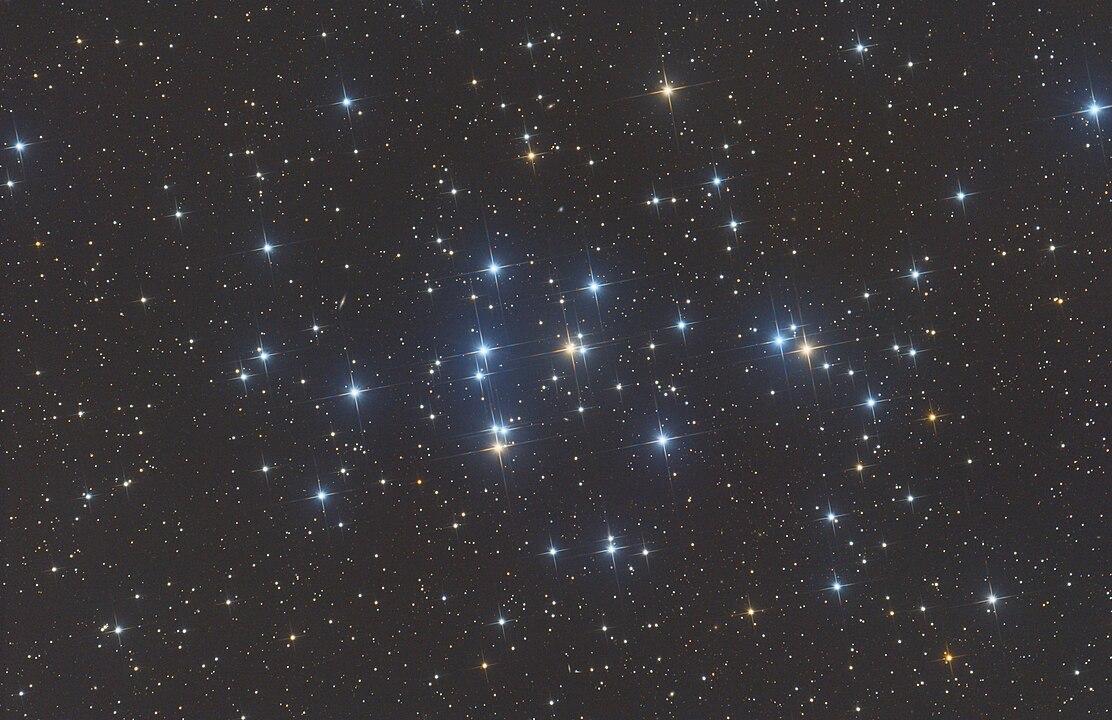 Shanghai Astronomical Observatory Team Proposes New Method for Validating Open Cluster Candidates Based on Photometric Bayesian EvidenceOpen clusters are not only tracers of the structure and evolution of the Milky Way but also ideal laboratories for studying star formation and stellar evolution. The massive data release from the Gaia mission has dramatically expanded the number of known open clusters; however, this has also introduced a tricky challenge: the thousands of cluster candidates identified by clustering algorithms are significantly contaminated by "false positive" signals caused by random fluctuations of field stars. Recently, a research team led by Dr. Lu Li from the Shanghai Astronomical Observatory (SHAO), Chinese Academy of Sciences, proposed a new framework for the physical validation of clusters based on "Photometric Bayesian Evidence." Utilizing their self-developed "Mixture Model for Open Clusters (MiMO)," this method provides a powerful quantitative tool for "separating the wheat from the chaff" among the massive number of candidates in the big data era. This research result was officially published in the international astronomical journal The Astrophysical Journal.Dec 19, 2025
-
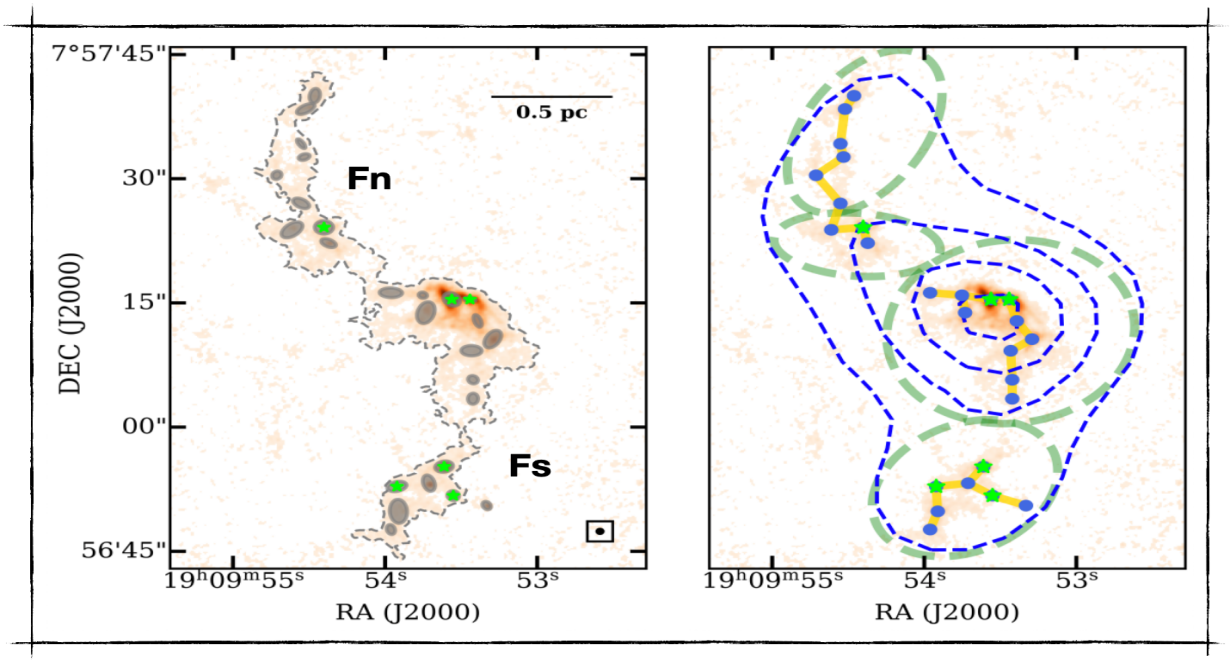 ALMA Captures a Dancing Cosmic Loong, Revealing Multiscale Fragmentation in Massive Star FormationA recent international collaboration led by researchers from Yunnan University, the Shanghai Astronomical Observatory (Chinese Academy of Sciences), and the National Astronomical Observatory of Japan has unveiled new insights into the fragmentation mechanisms of high-mass star-forming regions. Using the Atacama Large Millimeter/submillimeter Array (ALMA), the team conducted high-resolution observations of an S-shaped massive star-forming region, revealing a multi-scale fragmentation process driven by feedback from ionized regions. The findings provide new observational support for the "clump-fed" model of massive star formation, offering crucial evidence for understanding the dynamic processes of stellar birth. The study has been published in the journal Astronomy & Astrophysics.Dec 16, 2025
-
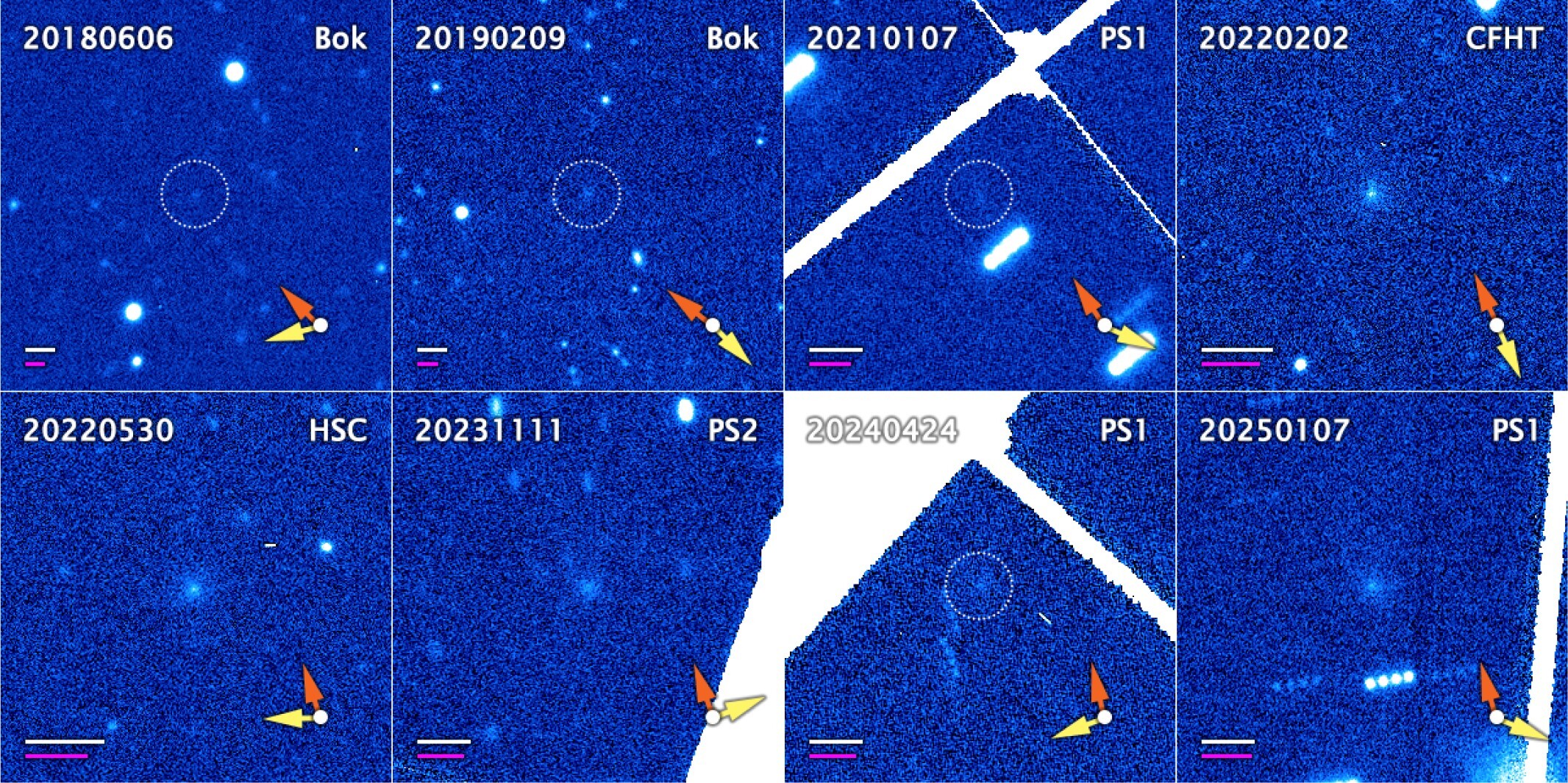 Astronomers Reveal the ‘Farthest-Inbound’ Comet Ever Seen: A 6-Million-Year Journey from the Edge of Our Solar SystemAn international team of astronomers has published the first detailed study of C/2025 D1 (Groeller), a comet that will make the most distant closest approach to the Sun of any known comet. This icy wanderer, discovered earlier this year, is giving astronomers a unique window into the ancient materials that helped build our solar system billions of years ago. C/2025 D1 (Groeller) was first spotted by Hannes Gröller from the Catalina Sky Survey in February 2025. In May 2028, it will swing as close as roughly 14 astronomical units (AU) from the Sun, corresponding to 2 billion kilometres away, beyond the orbits of all planets except Neptune and Uranus. That makes it the new record holder for the ‘farthest-inbound’ comet ever documented.Dec 15, 2025
-
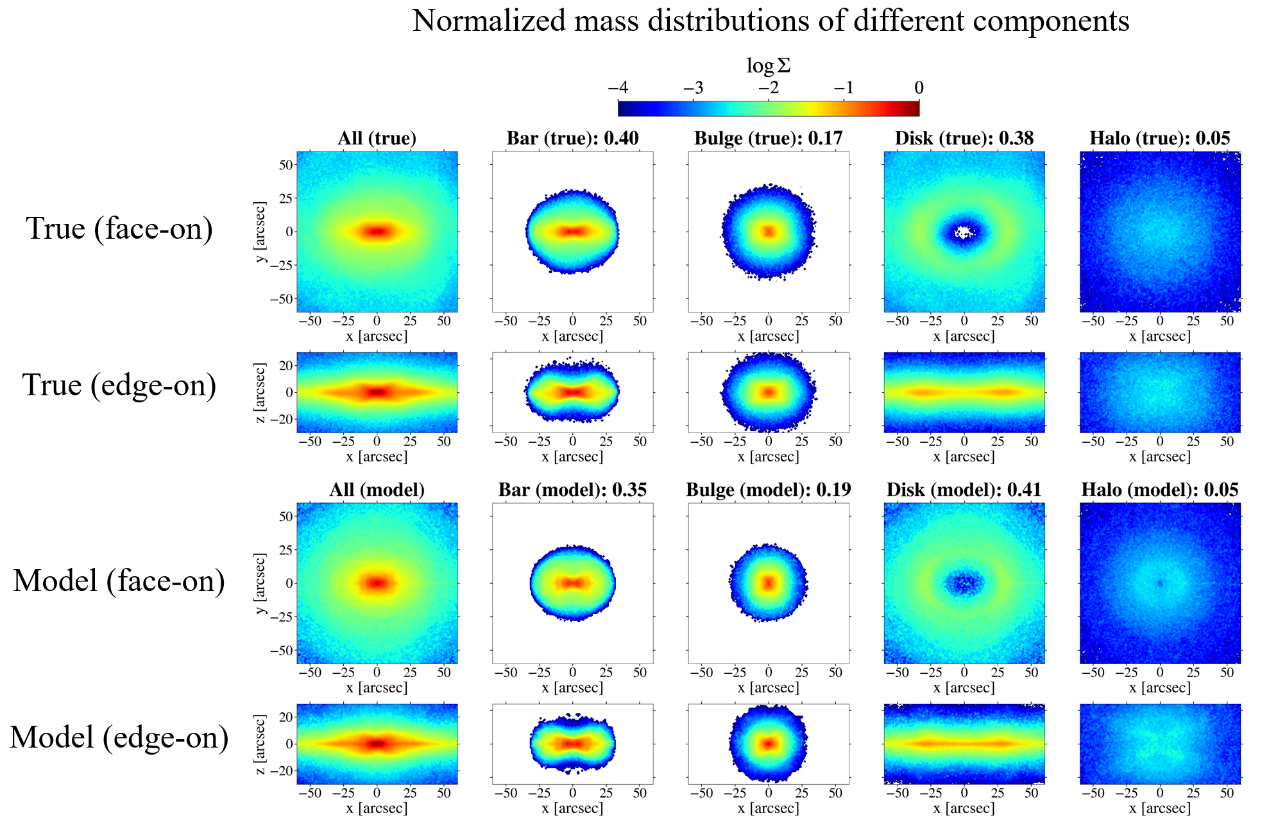 Scientists successfully "dissect" the internal structure of barred spiral galaxies, revealing the secrets of galaxy evolutionRecently, an international team of astronomers developed a novel galaxy "dissection" technique that enables precise analysis of the distinct components within barred spiral galaxies. The findings, published in the academic journal 《Astronomy & Astrophysics》, open a new window into understanding the formation and evolution of galaxies in the universe.Dec 15, 2025
-
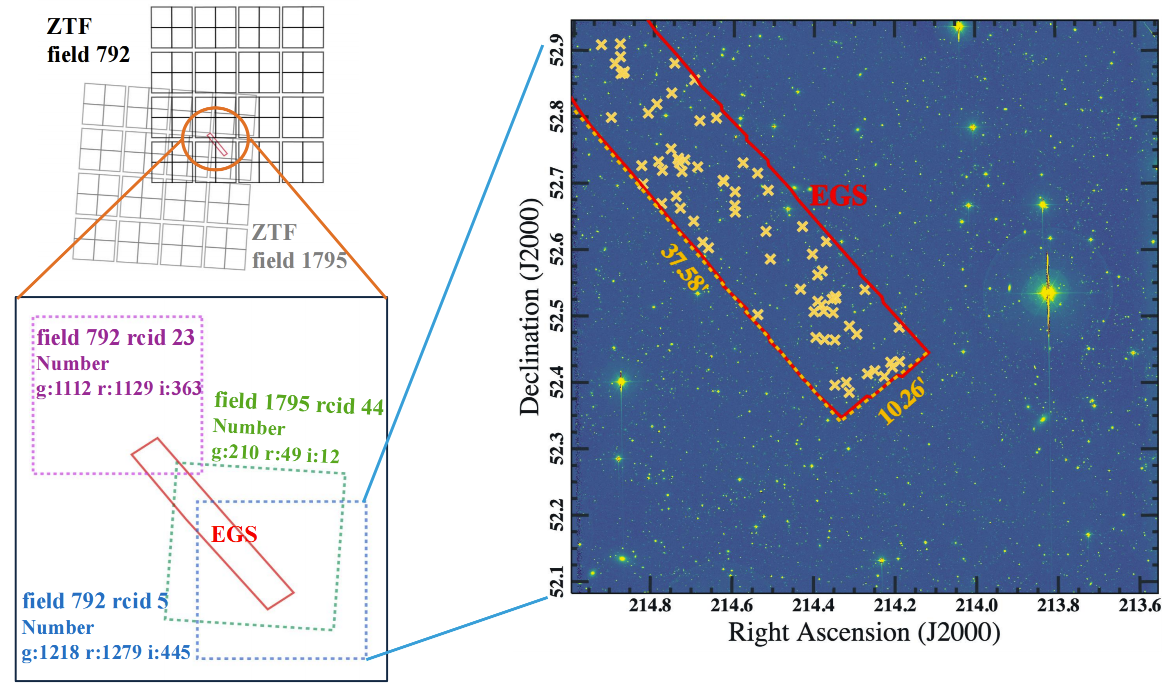 Researchers from Shanghai Astronomical Observatory and Sun Yat-sen University Make Significant Progress in Optimizing Active Galactic Nucleus Light CurvesA joint research team from the Early Universe and High-Redshift Galaxy Group at the Shanghai Astronomical Observatory (SHAO), Chinese Academy of Sciences, and the Optical–Infrared Observational Research Group at Sun Yat-sen University (SYSU), has recently made significant progress in improving the quality of long-term light curves for Active Galactic Nuclei (AGNs). By stacking multi-epoch images from the Zwicky Transient Facility (ZTF), the team has effectively enhanced the signal-to-noise ratio (SNR) of the observational data, enabling high-quality reconstruction of AGN light curves that were previously inaccessible due to their intrinsic faintness. This advancement reveals long-term variability and color-evolution characteristics with unprecedented clarity, providing critical observational constraints for probing the physical mechanisms and accretion dynamics of AGN central engines. The research is jointly led by Zhen-Ya Zheng’s team at SHAO and Bin Ma’s team at SYSU. The results have been published in The Astrophysical Journal Supplement Series with the title “Optimizing Long-term Variability of Active Galactic Nucleus Light Curves. I. A Case Study with ZTF Observations in the EGS Field.”Dec 15, 2025
-
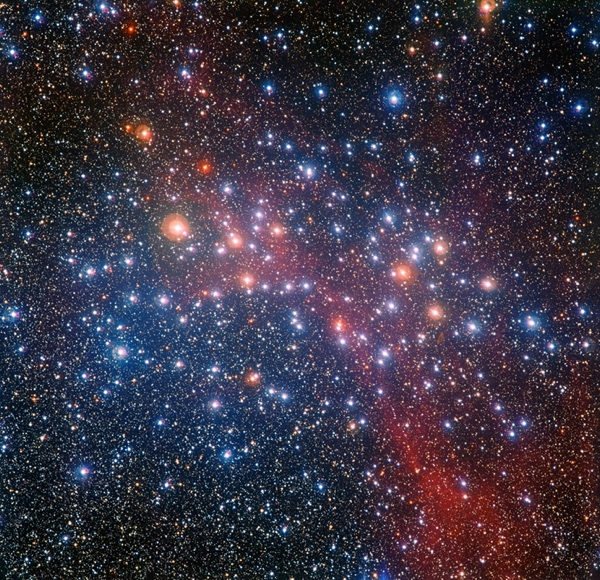 Shanghai Astronomical Observatory Releases Homogeneous catalog of Physical Parameters and Stellar Mass Functions for 1232 Open ClustersA research team led by Dr. Lu Li and Prof. Zhengyi Shao from the Shanghai Astronomical Observatory (SHAO), Chinese Academy of Sciences, has released a new, homogeneous catalog of physical parameters for 1,232 open clusters derived from Gaia DR3 data.Nov 28, 2025
-
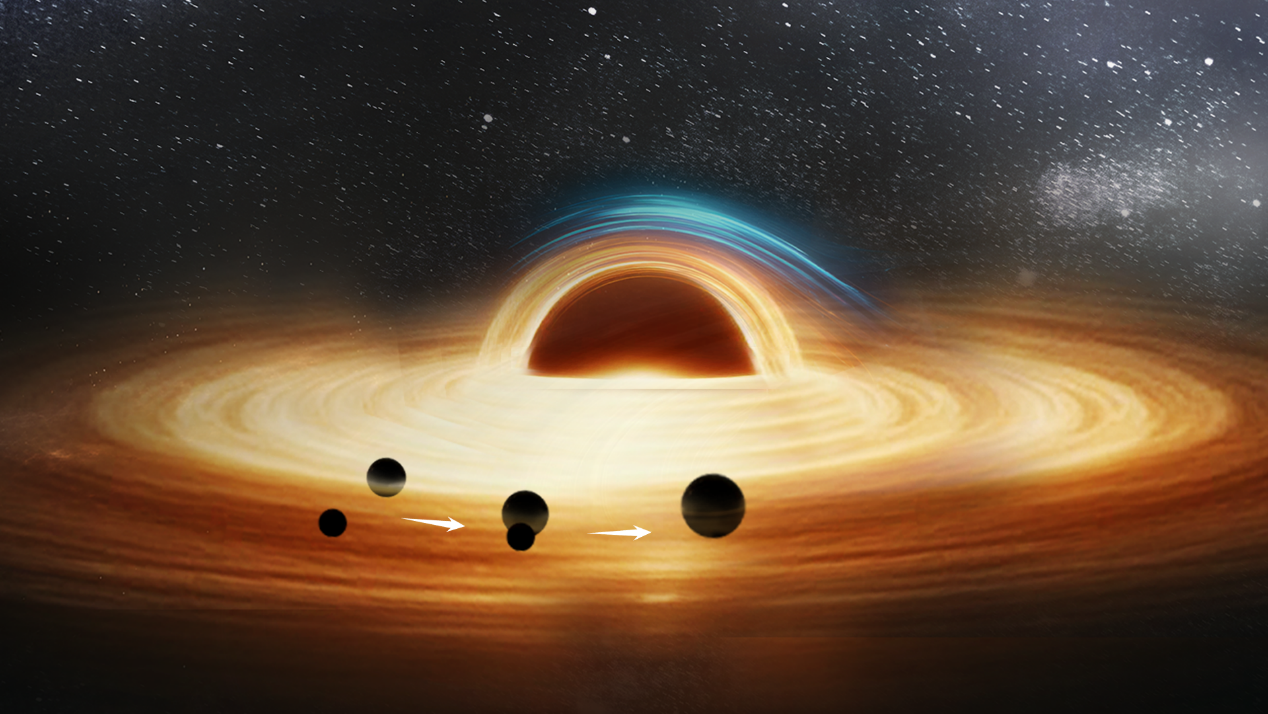 "Mysterious Giant" Behind Binary Black Holes? Shanghai Astronomical Observatory Research Team Discovers First Evidence of a Third Compact Object!The binary black holes in the universe are already astonishing enough, but researchers from the Shanghai Astronomical Observatory of the Chinese Academy of Sciences have made a groundbreaking discovery: these binary black holes may not be "lonely wanderers" after all—there could be an even more mysterious "giant" lurking behind them! Recently, a research team led by Dr. Wen-Biao Han at the Shanghai Astronomical Observatory achieved a major breakthrough in gravitational wave astronomy, uncovering the first evidence that a binary black hole merger event may have occurred near a third compact object. This finding provides new clues to unraveling the mystery of binary black hole formation. The results were published on August 1, 2025, in the international astronomy journal The Astrophysical Journal Letters.Aug 01, 2025
-
Precessing Magnetic Jet Engine Model Reveals the Power Source of a Rare "Heartbeat" Gamma-Ray BurstProf. Tao An from the Shanghai Astronomical Observatory (SHAO) proposed a novel "Precessing Magnetic Jet Engine" model to explain the peculiar Gamma-Ray Burst (GRB) 250702B, discovered on July 2, 2025. Over more than three hours, this GRB exhibited periodic flares approximately every 47 minutes. The new model not only elucidates the physical origin of this "heartbeat" but also resolves the mysteries surrounding its extremely hard spectrum and apparent excess energy. This paper is published on December 2, 2025, in the Astrophysical Journal Letters.Dec 03, 2025


